The Rise of Indie Artists in the Streaming Era
The music industry has undergone a profound transformation over the past two decades, with streaming platforms emerging as dominant forces in how listeners discover and consume music. This shift has created new opportunities for independent musicians, often referred to as indie artists, to distribute their work globally without the backing of traditional major labels. The barriers that once required significant financial resources and industry connections have been lowered by a combination of affordable recording technology and direct-to-consumer digital distribution channels. As a result, a growing number of self-released artists are building sustainable careers on their own terms, reaching audiences that would have been inaccessible in the pre-streaming era.
This article examines the strategies and success stories of independent musicians who are leveraging streaming platforms to reach global audiences. It explores the tools and approaches that enable self-released artists to manage their own careers, from production and distribution to marketing and fan engagement. The focus is on the processes and frameworks that have emerged, rather than on prescribing a single path to success. By understanding how these elements fit together, aspiring and established indie artists alike can make more informed decisions about their own creative and business strategies.
It is important to note that the outcomes of these efforts depend on a wide range of factors, including the artist’s unique style, work ethic, and ability to connect with listeners. There is no guarantee of success, and the landscape continues to evolve rapidly. Nonetheless, the examples and methods discussed here illustrate how independent musicians are navigating the streaming era with increasing sophistication and autonomy.
The Democratization of Music Distribution
One of the most significant changes in the music industry has been the democratization of distribution. In the past, getting music onto shelves or radio required a record deal, which often meant surrendering ownership and control. Today, digital distribution services allow any artist to upload their music to major streaming platforms for a nominal fee or even for free. These services handle the technical aspects of delivering music to services like Spotify, Apple Music, and Amazon Music, as well as collecting royalties and providing analytics. This infrastructure has removed a major barrier to entry, enabling independent artists to share their work with the world almost instantly.
However, distribution is only the first step. With millions of tracks uploaded daily, standing out requires more than just availability. Independent artists must consider how to present their music, including cover art, metadata, and release timing. Metadata, such as genre tags and mood classifications, plays a crucial role in how streaming algorithms recommend music to listeners. Artists who understand these mechanics can improve their chances of being discovered through algorithmic playlists and personalized recommendations. Additionally, the rise of user-generated content platforms like TikTok and YouTube has created new avenues for viral discovery, where a single snippet can lead to a surge in streams.
Another aspect of democratization is the ability to retain ownership and master rights. Many independent artists choose to keep full control of their intellectual property, which can lead to higher long-term revenue if their music gains traction. This approach requires a willingness to learn about licensing, royalties, and contract terms, but it also offers flexibility and potential upside that traditional deals may not. The key is to approach distribution as part of a broader strategy that includes branding, audience building, and consistent release schedules.
Strategies for Building an Audience
Building an audience as an independent artist involves a mix of online and offline tactics, all aimed at creating a loyal fan base. Social media platforms are essential tools for direct engagement, allowing artists to share behind-the-scenes content, interact with fans, and announce new releases. Consistency is often cited as a critical factor; regular posts and updates keep the artist top-of-mind and foster a sense of community. Email lists and SMS marketing can also be effective for nurturing deeper relationships, as they provide a direct line to supporters without the interference of algorithmic changes.
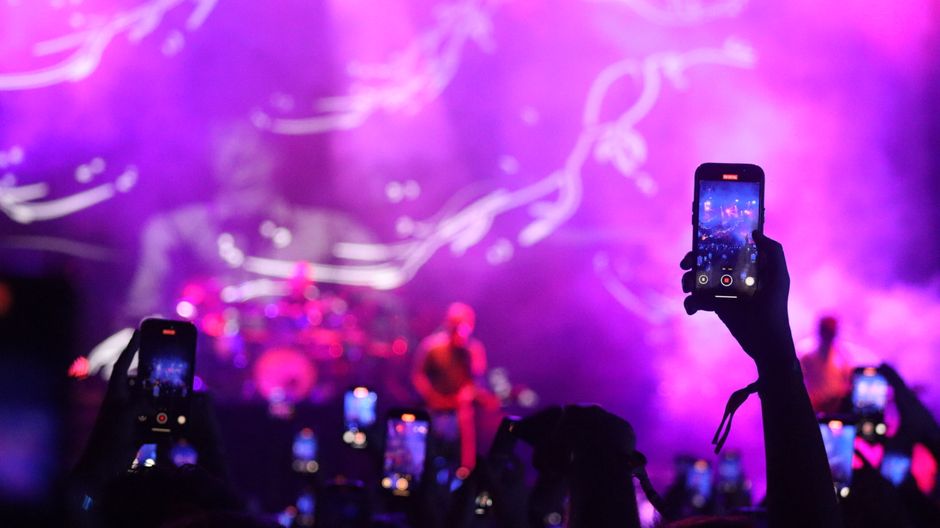
Live performances, whether in-person or via livestream, remain powerful ways to connect with audiences. Streaming platforms like Twitch and YouTube Live enable artists to perform from anywhere, reaching fans who might not attend local shows. These performances can be monetized through virtual tips, merchandise sales, and exclusive content. Collaborations with other artists, influencers, or brands can also expand reach by tapping into established audiences. When done authentically, such partnerships can introduce an artist’s music to new listeners who are likely to appreciate it.
Playlist placement is another strategy that many independent artists pursue. While editorial playlists on major platforms are highly competitive, user-curated and algorithmic playlists can be more accessible. Artists can pitch their music to playlist curators through platforms like SubmitHub or directly via social media. Understanding the criteria that curators use—such as genre fit, production quality, and engagement metrics—can improve the chances of being included. It’s important to view playlist placement as one component of a larger promotional mix, rather than a silver bullet.
Success Stories and Case Studies
Numerous independent artists have achieved notable success in the streaming era, often through a combination of strategic planning and seizing unexpected opportunities. For instance, some artists have built substantial followings by consistently releasing music and engaging with fans on social media, leading to viral moments that catapulted their careers. Others have found success through sync licensing, where their music is featured in films, TV shows, or advertisements, providing both exposure and revenue. These stories highlight that there is no single formula; rather, success often stems from a willingness to experiment and adapt.
One common thread among successful indie artists is a strong understanding of their niche and target audience. By focusing on a specific genre or theme, they can tailor their marketing efforts and build a more dedicated fan base. For example, an artist in the lo-fi hip-hop space might cultivate a following through study playlists and chill-out channels, while a folk artist might engage with listeners through storytelling and acoustic performances. This niche focus can also make it easier to secure playlist placements and press coverage, as curators and journalists often look for distinct voices.
Another factor is the use of data and analytics to inform decisions. Streaming platforms provide detailed insights into listener demographics, geographic locations, and listening habits. Artists can use this information to plan tours, target advertising, and choose which songs to promote. For instance, if analytics reveal a strong following in a particular city, an artist might prioritize a live show there. This data-driven approach, while not a guarantee of success, can help independent musicians make more strategic choices with limited resources.
Tools and Platforms for Independent Artists
A wide array of tools and platforms has emerged to support independent musicians in managing their careers. Distribution services like DistroKid, TuneCore, and CD Baby handle the technical delivery of music to streaming services, often for a flat fee or a percentage of royalties. These services also provide basic analytics and royalty collection, simplifying the administrative burden. For marketing, artists can use social media management tools like Hootsuite or Buffer to schedule posts, and email marketing platforms like Mailchimp to maintain contact with fans.
Financial management is another area where indie artists need to be diligent. Royalties from streaming can be complex, with different rates for different platforms and territories. Tools like Royalty Exchange or Audiam can help track and collect royalties, ensuring that artists receive what they are owed. Additionally, artists may need to handle their own taxes and business registrations, which can be a significant undertaking. Seeking advice from professionals, such as accountants or entertainment lawyers, is often advisable, although it represents an additional cost.
For those looking to scale their efforts, companies like MelodyWorks offer solutions that streamline various aspects of an independent music career. Such platforms can assist with distribution, marketing, and analytics, allowing artists to focus more on creating music. While these tools can be helpful, they are not a substitute for a clear strategy and consistent effort. Artists should evaluate their options carefully and choose the tools that best fit their needs and budget.
Challenges and Considerations
Despite the opportunities, independent artists face several challenges in the streaming era. The sheer volume of music available means that gaining visibility is increasingly difficult. Streaming platforms typically pay fractions of a cent per stream, so generating meaningful income often requires millions of streams. This reality means that many artists must supplement their income through live performances, merchandise, and other revenue streams. Building a sustainable career can take years of consistent effort, and many artists struggle to break through.
Another challenge is the mental and emotional toll of self-promotion. Independent artists must often act as their own manager, marketer, and publicist, which can be overwhelming. Burnout is a real risk, and maintaining a balance between creative work and business tasks is essential. Support networks, whether online communities or local music scenes, can provide valuable encouragement and advice. It’s also important for artists to set realistic expectations and celebrate small wins along the way.
Lastly, the streaming landscape is constantly changing. Platforms may alter their algorithms, payment structures, or features, which can impact an artist’s reach and income. Staying informed about industry trends and being adaptable are crucial. While there is no guaranteed path to success, the independent route offers a level of autonomy and creative freedom that many artists find rewarding. By understanding the tools, strategies, and challenges, independent musicians can navigate the streaming era with greater confidence and resilience.