10 Essential Albums for Every Music Lover
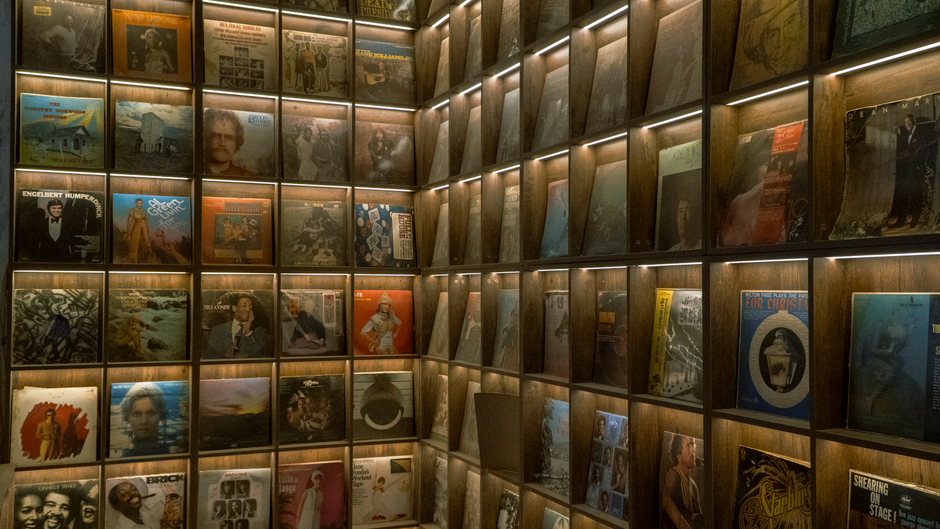
For those who deeply engage with music, certain albums stand as landmarks, representing pivotal moments in artistic expression and cultural history. This curated selection spans rock, jazz, and electronic genres, offering a survey of works that have influenced generations of listeners and musicians. Each album is examined not only for its musical qualities but also for its broader significance within its genre and era.
The following entries are not ranked but presented as starting points for exploration. They reflect a range of styles, from guitar-driven anthems to improvisational excursions and synthesized soundscapes. By considering the context of their creation and reception, one can better appreciate how these albums have shaped the musical landscape.
This list is intended for the curious listener, whether new to these genres or seeking to deepen existing knowledge. Each analysis highlights elements of innovation and cultural resonance, providing a framework for understanding why these works continue to be discussed and studied.
1. The Beatles – Abbey Road (1969)
As one of the most influential rock albums, Abbey Road showcases the Beatles at a creative peak, blending diverse musical styles into a cohesive whole. The album’s second side features a medley of interconnected songs, a structure that was relatively uncommon at the time and demonstrated the potential of the album format as a unified artistic statement. The use of innovative recording techniques, such as the Moog synthesizer and eight-track recording, contributed to its distinctive sound.
Culturally, Abbey Road marked the end of an era for the Beatles, as it was their last recorded album. Its iconic cover image, featuring the band members walking across a zebra crossing, became a symbol of the 1960s and has been endlessly referenced in popular culture. The album’s enduring popularity is reflected in its consistent presence on best-of lists and its continued commercial success decades after its release.
2. Miles Davis – Kind of Blue (1959)
In the jazz realm, Kind of Blue is frequently cited as a masterpiece of modal jazz, a style that emphasizes scales rather than chord progressions as the basis for improvisation. Davis assembled a group of exceptional musicians, including John Coltrane and Bill Evans, whose contributions helped define the album’s serene and exploratory character. The recording sessions were largely improvised from sketches, capturing a sense of spontaneity that has influenced countless jazz artists.
The album’s impact extends beyond jazz, as it has been embraced by listeners across genres for its accessibility and emotional depth. It has sold millions of copies worldwide and is often recommended as an entry point for those new to jazz. Its cultural significance lies in its demonstration of how jazz could be both sophisticated and widely appealing, bridging the gap between artistic ambition and popular taste.
3. Pink Floyd – The Dark Side of the Moon (1973)
Pink Floyd’s The Dark Side of the Moon is a landmark of progressive rock, addressing themes of time, greed, and mental illness through a seamless blend of music and sound effects. The album’s innovative use of synthesizers, tape loops, and spoken word passages created a immersive listening experience that was novel for its time. Its conceptual unity and high production standards set a benchmark for studio albums.
The album remained on the Billboard 200 chart for over 900 weeks, a testament to its lasting appeal. It resonated with a broad audience, possibly due to its universal themes and polished sound. The iconic prism cover, designed by Hipgnosis, has become one of the most recognizable images in music history, further cementing the album’s cultural footprint.
4. Kraftwerk – Trans-Europe Express (1977)
In electronic music, Kraftwerk’s Trans-Europe Express is a pioneering work that helped shape the development of synth-pop and techno. The album’s use of repetitive rhythms, synthesized melodies, and vocoder effects created a futuristic soundscape that contrasted with the rock-dominated landscape of the 1970s. Its title track celebrates the speed and elegance of train travel, while other tracks explore themes of communication and technology.
The album’s influence is evident in the work of later electronic artists, from Afrika Bambaataa to Depeche Mode. It demonstrated that electronic music could be both artistic and danceable, laying groundwork for genres that would emerge in the following decades. Its cultural impact includes being one of the first albums to fully embrace the aesthetic of the machine age, blending human and technological elements.
5. Michael Jackson – Thriller (1982)
Thriller represents a high point in pop and R&B, blending funk, disco, rock, and pop into a collection of songs that dominated the charts. The album’s production, led by Quincy Jones, was meticulous, with each track crafted to showcase Jackson’s vocal range and dance-oriented rhythms. The title track’s music video, a mini-film with elaborate choreography and special effects, revolutionized the music video format and its promotional potential.
With estimated sales of over 70 million copies, Thriller is one of the best-selling albums of all time. Its cultural impact includes breaking racial barriers on MTV and setting new standards for album promotion. The album’s success also highlighted the growing importance of visual media in the music industry, as the videos for its singles became as memorable as the songs themselves.
6. Nirvana – Nevermind (1991)
Nirvana’s Nevermind brought alternative rock into the mainstream, signaling a shift away from the polished production of 1980s pop and toward a rawer, grunge aesthetic. The album’s lead single, “Smells Like Teen Spirit,” became an anthem for a generation, its loud-quiet-loud dynamics and rebellious lyrics capturing a sense of disaffection. The album’s success was unexpected, as it was released on an independent label before being picked up by a major.
The cultural impact of Nevermind was immediate and far-reaching, influencing fashion, attitudes, and the music industry’s focus on alternative genres. It demonstrated that underground scenes could produce commercially viable acts, opening doors for other grunge and alternative bands. The album continues to be celebrated for its authenticity and energy, representing a pivotal moment in rock history.
7. Radiohead – OK Computer (1997)
Radiohead’s OK Computer is often regarded as a landmark of alternative rock, exploring themes of alienation, technology, and modern life through a blend of guitar-driven rock and electronic textures. The album’s complex arrangements, unusual time signatures, and atmospheric production set it apart from contemporaneous Britpop. Songs like “Paranoid Android” and “Karma Police” became staples of alternative radio.
The album’s cultural significance lies in its critique of consumerism and globalization, resonating with listeners who felt uneasy about the rapid changes of the late 20th century. It has been cited as an influence by numerous artists and is frequently included in lists of the greatest albums. Its innovative approach to songwriting and production helped pave the way for rock bands to incorporate electronic elements without abandoning their core sound.
8. Daft Punk – Discovery (2001)
Daft Punk’s Discovery is a seminal electronic album that blended house, disco, and synth-pop into a joyous and nostalgic collection. The album’s use of filtered samples and vocoder vocals created a distinctive sound that paid homage to earlier dance music while pushing it forward. Tracks like “One More Time” and “Digital Love” became anthems in clubs and beyond.
The album’s impact on electronic music and pop culture is notable, as it helped popularize French house and influenced a wave of artists. Its accompanying animated film, Interstella 5555, further expanded its narrative and visual identity. Discovery is often praised for its emotional warmth and melodic strength, demonstrating that electronic music could be both cerebral and heartfelt.
9. John Coltrane – A Love Supreme (1965)
A Love Supreme is a spiritual jazz masterpiece that showcases Coltrane’s saxophone virtuosity and his quartet’s telepathic interplay. The album is structured as a four-part suite, expressing a journey from acknowledgment to resolution, and is characterized by its intense energy and lyrical beauty. It is widely considered one of the greatest jazz albums and a pinnacle of modal jazz.
The album’s cultural and spiritual dimensions have made it a touchstone for listeners seeking deeper meaning in music. Its universal themes of love and devotion transcend jazz, appealing to a broad audience. A Love Supreme continues to inspire musicians and listeners alike, representing a high point of artistic expression in the jazz tradition.
10. The Velvet Underground – The Velvet Underground & Nico (1967)
Though initially commercially unsuccessful, The Velvet Underground & Nico became one of the most influential albums in rock history. Its raw production, experimental techniques, and taboo subject matter (drug use, sexuality) set it apart from the psychedelic pop of the era. The collaboration with Nico added a unique vocal dimension, while Lou Reed’s songwriting explored urban life with unflinching realism.
The album’s legacy is vast, as it laid the groundwork for punk, alternative, and indie rock. Its cultural impact grew over time, with later generations recognizing its innovative spirit. The famous quote attributed to Brian Eno—that only a few thousand people bought it initially, but every one of them started a band—encapsulates its enduring influence.
These ten albums represent just a fraction of the rich tapestry of music available, but they serve as essential touchstones for any music lover. Each has contributed to the evolution of its genre and left an indelible mark on popular culture. Exploring them offers not only listening pleasure but also a deeper understanding of the artistic and historical contexts that shape music.