Exploring the Legacy of Jazz in Modern Music
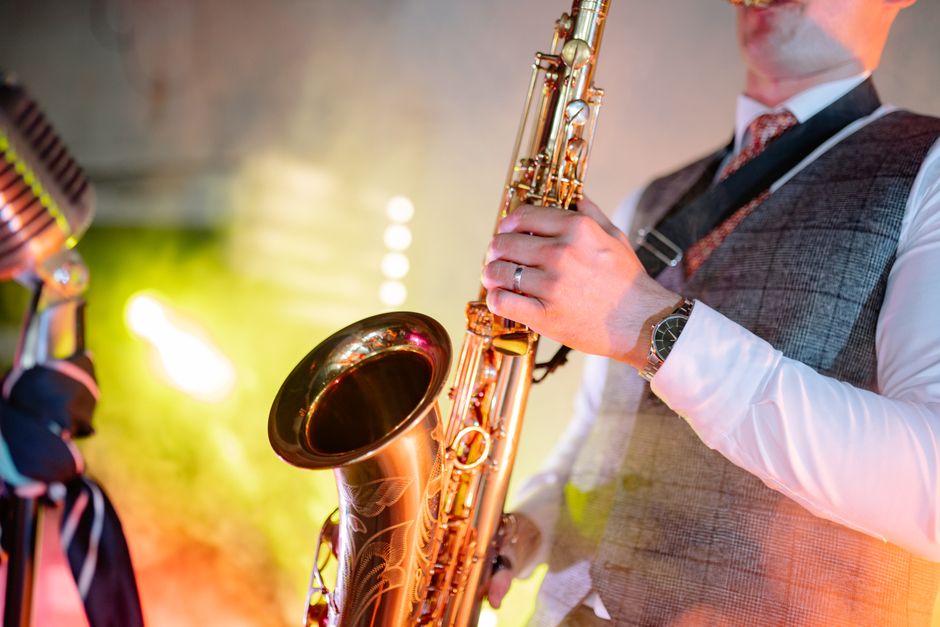
Jazz emerged in the early 20th century as a distinctly American musical form, rooted in African American musical traditions and characterized by improvisation, syncopation, and polyrhythms. Over the decades, it has evolved through multiple stylistic phases, from swing and bebop to fusion and free jazz. While its popularity as a mainstream genre has fluctuated, its underlying principles and aesthetic sensibilities have permeated a wide range of contemporary music. This article examines the ways in which jazz continues to shape modern genres such as hip-hop, pop, and electronic music, and considers the factors that contribute to its enduring legacy.
The journey of jazz from its origins to its current state reflects a continuous process of innovation and cross-pollination. As the genre spread globally, it absorbed influences from various cultures and merged with other musical forms. This adaptability has allowed jazz to remain relevant even as the music industry undergoes significant transformations. By tracing this evolution, one can better understand how jazz elements have become embedded in the fabric of today’s musical landscape.
In the following sections, we will explore key moments in jazz history, analyze its impact on specific contemporary genres, and discuss the role of technology and education in preserving its legacy. Throughout, we aim to provide a neutral and informative perspective on the interplay between tradition and modernity in music.
Historical Evolution of Jazz
Jazz originated in the late 19th and early 20th centuries in New Orleans, where diverse musical traditions—including blues, ragtime, and brass band music—converged. Early jazz was characterized by collective improvisation and a lively, dance-oriented rhythm. As the music spread to cities like Chicago and New York, it developed into distinct styles such as Dixieland and swing. The swing era of the 1930s brought jazz into the mainstream, with big bands led by figures like Duke Ellington and Count Basie achieving widespread popularity.
In the 1940s, bebop emerged as a reaction to the commercialism of swing. Bebop prioritized small ensembles, fast tempos, and complex harmonic structures, showcasing the virtuosity of musicians such as Charlie Parker and Dizzy Gillespie. This period marked a shift toward jazz as a form of artistic expression rather than mere entertainment. Subsequently, cool jazz, hard bop, and modal jazz offered contrasting approaches, each expanding the genre’s vocabulary. The 1960s and 1970s saw the advent of free jazz and jazz fusion, which incorporated elements of rock, funk, and world music.
By the 1980s, jazz had become a global phenomenon, with artists from various countries contributing to its ongoing development. The emergence of smooth jazz and acid jazz in the 1990s demonstrated the genre’s capacity to adapt to contemporary tastes. Today, jazz continues to evolve, often intersecting with electronic production, hip-hop beats, and pop song structures. This historical overview underscores that jazz is not a static form but a dynamic tradition that continually absorbs and reinterprets influences.
Jazz Elements in Hip-Hop
Hip-hop, which emerged in the 1970s in the Bronx, has long drawn from jazz for its rhythmic and harmonic foundations. Early hip-hop DJs frequently sampled jazz records, isolating drum breaks and bass lines to create the backbone of rap tracks. This practice not only introduced jazz sounds to new audiences but also established a dialogue between the two genres. Artists like A Tribe Called Quest and Guru’s Jazzmatazz project explicitly merged jazz instrumentation with hip-hop beats, creating a subgenre often referred to as jazz rap.
The influence extends beyond sampling. Many hip-hop producers incorporate jazz chords and improvisational solos into their compositions, while rappers often adopt a flowing, syncopated delivery reminiscent of jazz phrasing. The improvisational nature of jazz—where musicians respond to one another in real time—parallels the freestyle and cypher traditions in hip-hop. This shared emphasis on spontaneity and rhythmic complexity creates a natural affinity between the two genres.
In recent years, artists such as Kendrick Lamar and Anderson .Paak have integrated live jazz instrumentation into their music, further blurring the lines between hip-hop and jazz. The use of saxophones, trumpets, and pianos alongside drum machines and synthesizers reflects a hybrid approach that honors both traditions. Such collaborations demonstrate how jazz continues to inform hip-hop’s evolution, providing a rich palette for experimentation.
Jazz’s Influence on Pop Music
Pop music, with its focus on catchy melodies and broad appeal, has also absorbed jazz elements in various ways. From the crooners of the mid-20th century like Frank Sinatra and Nat King Cole, who often performed with jazz orchestras, to contemporary artists like Norah Jones and Michael Bublé, jazz phrasing and instrumentation have added sophistication to pop songs. The use of extended chords, such as seventh and ninth chords, is common in pop ballads and can be traced back to jazz harmony.
Moreover, jazz’s rhythmic flexibility has influenced pop’s approach to groove. Swing rhythms, though less prevalent today, can be heard in songs that incorporate shuffle or triplet feels. Vocal improvisation, a hallmark of jazz, appears in pop through ad-libs and melismatic runs, particularly in R&B and soul-influenced pop. Producers often draw on jazz arrangements to create lush, layered textures that enhance the emotional impact of a song.
The cross-pollination between jazz and pop is not one-directional. Jazz musicians have also covered pop songs, reinterpreting them through improvisation and reharmonization. This reciprocal relationship ensures that both genres remain vibrant and interconnected. In the streaming era, where genre boundaries are increasingly fluid, the jazz influence on pop continues to manifest in subtle yet significant ways.
Jazz and Electronic Music
Electronic music, encompassing genres from house and techno to ambient and experimental, has a complex relationship with jazz. Early electronic pioneers like Herbie Hancock, with his album Future Shock, fused jazz improvisation with synthesizers and drum machines, laying groundwork for future explorations. In the 1990s, acid jazz and nu jazz movements blended live jazz instrumentation with electronic beats, creating a hybrid that appealed to club audiences and jazz purists alike.
Contemporary electronic producers often incorporate jazz samples or collaborate with jazz musicians. The improvisational aspect of jazz—where structure coexists with freedom—resembles the live manipulation of electronic elements by DJs and producers. For instance, the use of modular synthesizers allows for real-time modulation and improvisation, echoing the spontaneity of a jazz solo. Additionally, the complex rhythms of jazz, such as polyrhythms and swing, have been adopted in genres like broken beat and drum and bass.
Festivals and venues that showcase both electronic and jazz acts reflect a growing audience interest in these intersections. This convergence suggests that jazz’s legacy is not confined to its historical recordings but continues to inspire new forms of musical expression. As technology advances, the potential for further fusion between jazz and electronic music remains open.
Contemporary Artists and the Jazz Legacy
Many contemporary artists across genres cite jazz as a major influence on their work. In interviews, musicians from diverse backgrounds acknowledge the impact of jazz on their approach to composition, improvisation, and performance. For example, hip-hop artist Kendrick Lamar has spoken about the jazz records his parents played, while electronic producer Flying Lotus, who is the grand-nephew of John Coltrane, often incorporates jazz themes into his music. Such connections highlight the personal and familial ties that sustain jazz’s legacy.
Furthermore, institutions like MelodyWorks support educational initiatives that expose new generations to jazz history and techniques. By providing resources and platforms for young musicians, these efforts help ensure that jazz remains a living tradition. The ongoing dialogue between established jazz masters and emerging artists across genres fosters innovation and keeps the music relevant.
In conclusion, the legacy of jazz in modern music is evident in its rhythmic, harmonic, and improvisational contributions to hip-hop, pop, and electronic music. This influence is not static but evolves as artists reinterpret and adapt jazz elements to their own contexts. The enduring appeal of jazz lies in its capacity to inspire creativity and connect disparate musical worlds.